


September 29, 2026
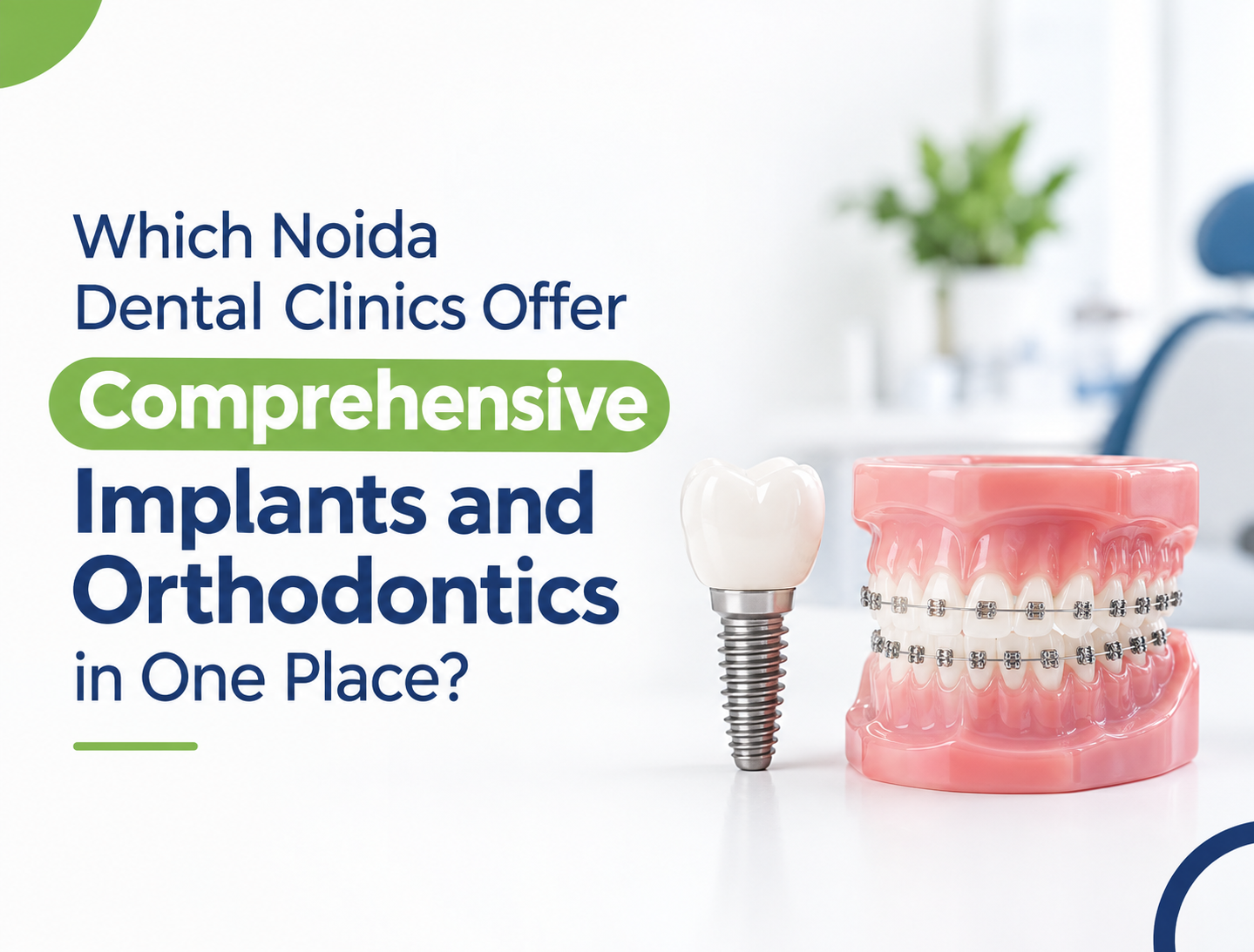
Which Noida Dental Clinics Offer Comprehensive Implants and Orthodontics in One Place?If you need a dental implant and also have concerns about crooked, crowded, or misaligned teeth, visiting separate clini...
BEST DENTIST IN NOIDA | Email: sunali.joshikashyap@gmail.com
A tooth can need a root canal without causing any pain at all. That's the part most people find hard to believe, especially when their dentist recommends one and they feel completely fine. Painless root canals aren't just a modern dentistry promise. They're also a reflection of something real: dental problems don't always announce themselves until they've been quietly developing for a while.
So, if your dentist says you need a root canal and you're sitting there thinking, "But nothing hurts," here's what's actually going on.
The nerve inside a tooth can die. When that happens, the tooth stops sending pain signals entirely. No pain, no sensitivity, nothing. Everything seems perfectly normal from the outside, but inside, infection or damage is progressing.
This is actually one of the more common reasons people end up needing root canals without any prior symptoms. It sometimes means the nerve has already been affected enough to stop working.
An X-ray picks this up. That dark shadow at the root tip that your dentist pointed to isn't nothing. It usually indicates infection or bone changes that don't produce pain but absolutely require treatment.
That is an honest instinct, and most good dentists will not take offence. But if two separate dentists look at the same X-ray and come to the same conclusion, the recommendation is probably sound.
What you should ask your dentist is why. Ask what the X-ray shows, whether you have an infection or nerve damage, and what happens if you wait.
Waiting on a tooth that needs a root canal rarely results in a good outcome. The infection spreads, the bone gets involved, and what was once a simple procedure can become much more complicated.
People build this up in their heads far more than it deserves. A root canal is essentially a cleaning procedure. The infected or damaged pulp inside the tooth is removed, the canals are cleaned and shaped, and the tooth is sealed. That's it.
With modern anaesthesia, most patients feel pressure during the procedure but not pain. The reputation root canals have comes mostly from the era before proper local anaesthesia was standard. That era is long gone.
If you think, "My root canal is paining" after the procedure, some post-treatment soreness for a few days is normal. The area around the tooth has been worked on, and mild inflammation is a natural response. Over-the-counter pain relief usually handles it. Anything beyond that is worth a call to your dentist.
A tooth that doesn't hurt but needs treatment is genuinely more dangerous than one that's screaming for attention. Pain makes people act. No pain makes people wait.
Here's what can happen if a tooth needing a root canal goes untreated:
Losing a tooth is not just a cosmetic problem. It starts a chain reaction of shifting, bone loss, and bite changes that take time and money to address.
A painless tooth is not always a healthy tooth. If your dentist recommended a root canal based on clinical findings and X-rays, then the lack of symptoms shouldn't be a reason to push back. Painless root canals are routine and well tolerated when done right. At Dr. Sunali's Dental Solutions, every root canal recommendation is accompanied by an explanation of what was discovered and why treatment is needed, so you're not making a decision without the information.
September 29, 2026
Which Noida Dental Clinics Offer Comprehensive Implants and Orthodontics in One Place?If you need a dental implant and also have concerns about crooked, crowded, or misaligned teeth, visiting separate clini...

September 7, 2026
Dental Pain Tablet: Which Medicine Helps Relieve Tooth Pain Fast?When a toothache hits hard and you need relief before you can even get to a dental clinic near me, common over-the-count...
August 31, 2026
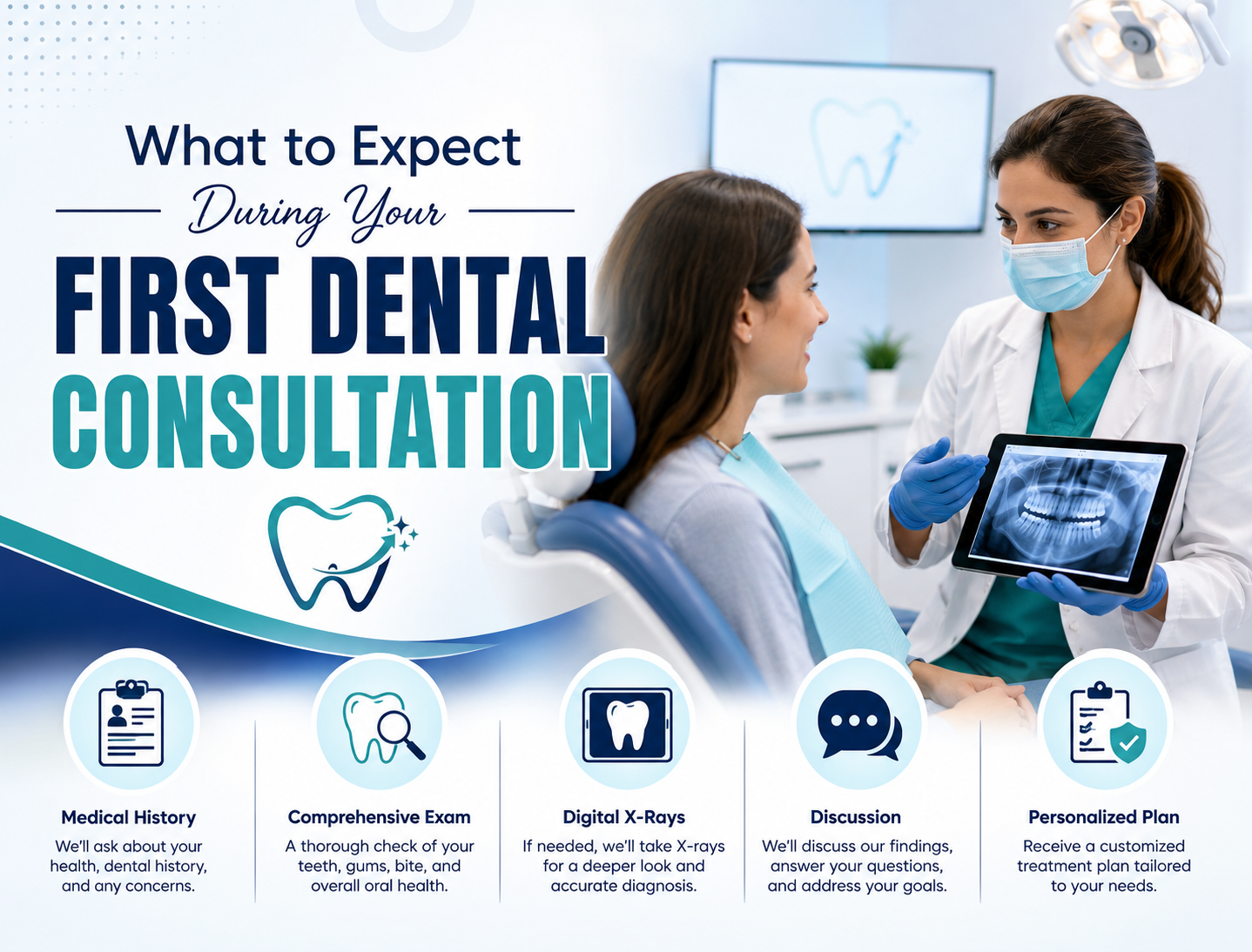
What to Expect During Your First Dental ConsultationA first dental consultation usually includes a review of your medical and dental history, a comprehensive oral exam, per...
August 20, 2026
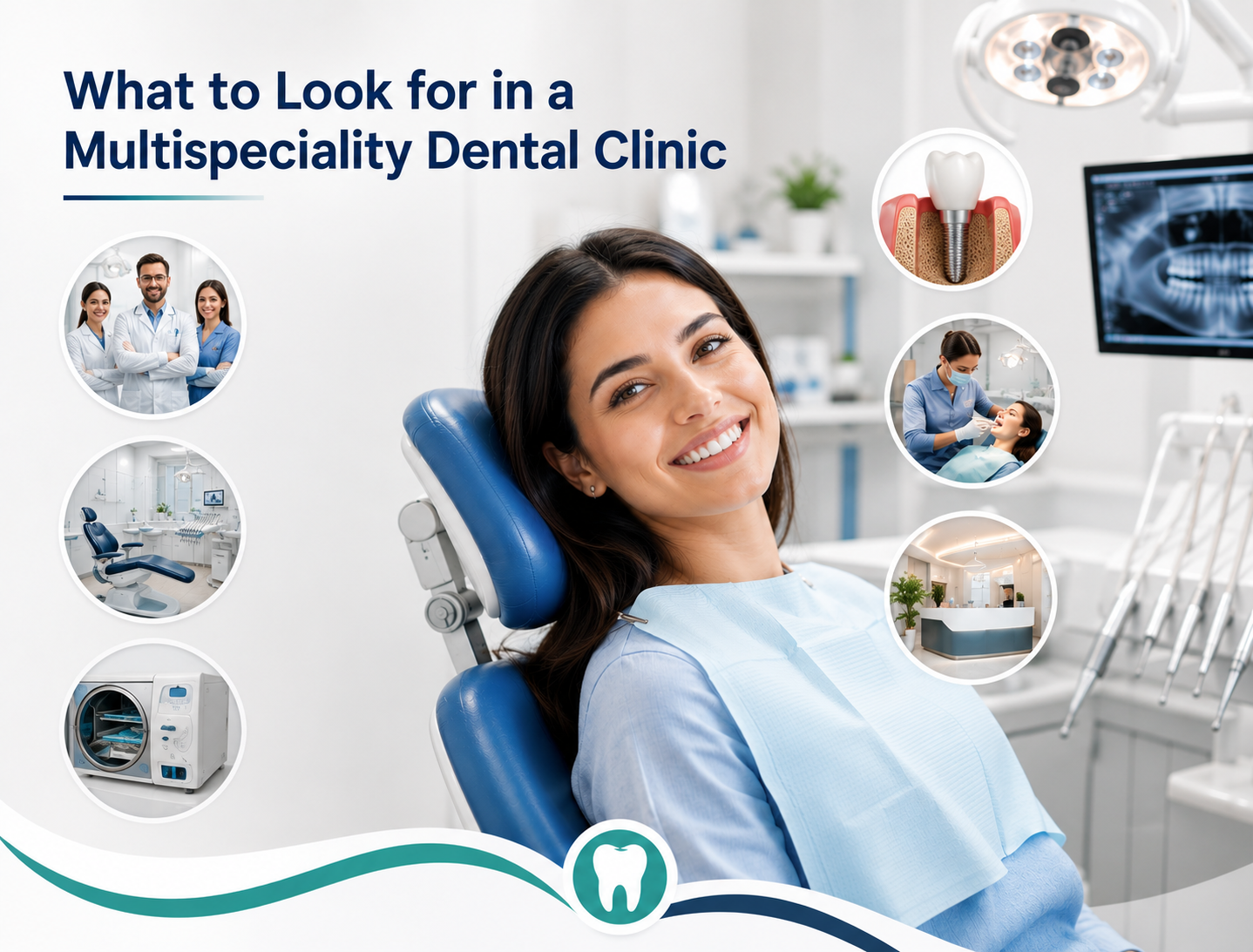
What to Look for in a Multispeciality Dental ClinicA good multispeciality dental clinic handles everything, cleanings, implants, root canals, cosmetic work, under one roof...
July 24, 2026
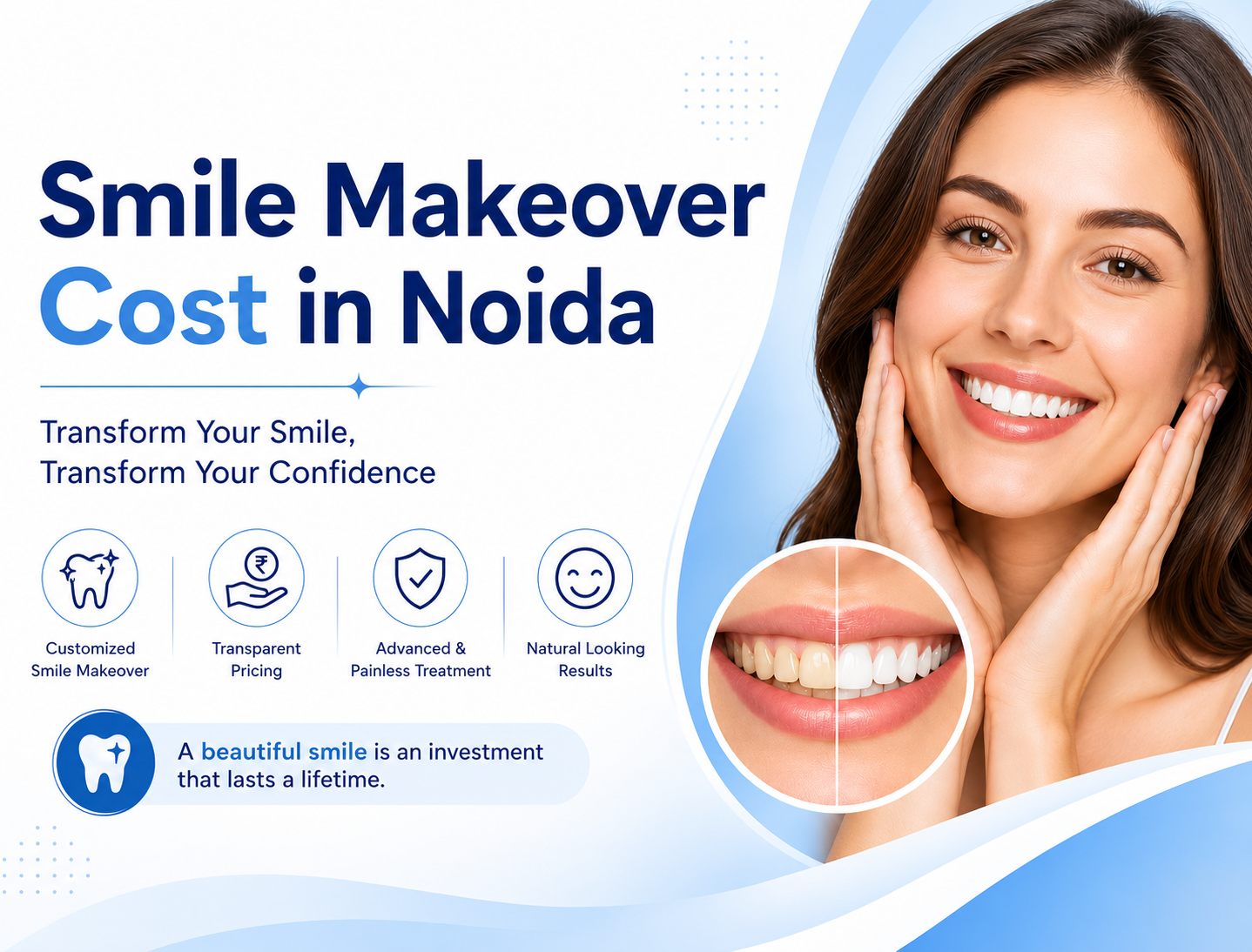
Smile Makeover Cost in Noida | Best Smile Makeover Clinic in Noida Sector 37Smile makeover cost in Noida usually ranges anywhere between a few thousand for basic teeth whitening to a lot more for ...
July 14, 2026
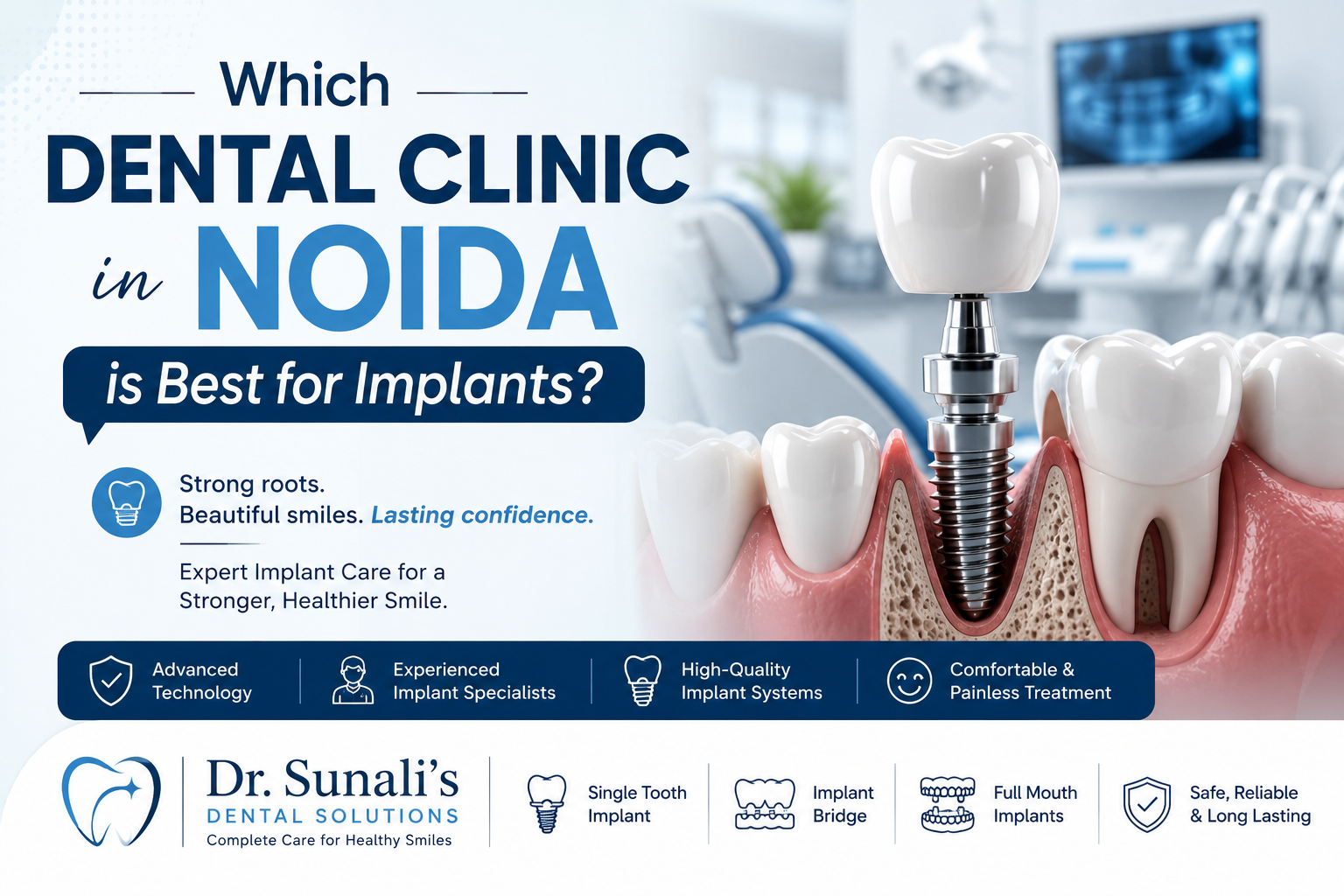
Which Dental Clinic in Noida is Best for Implants?The best implant clinic is the one with well-experienced implant specialists, high-tech instruments, sound diagnosis and...
Dr. Sunali along with her team of expert dentists and highly skilled staff members strive to ensure that all our patients are offered the best and the finest dental care with latest technologies.


401, Sector - 37, Shaheed Smarak Marg, Noida (UP ) 201301

