


September 29, 2026
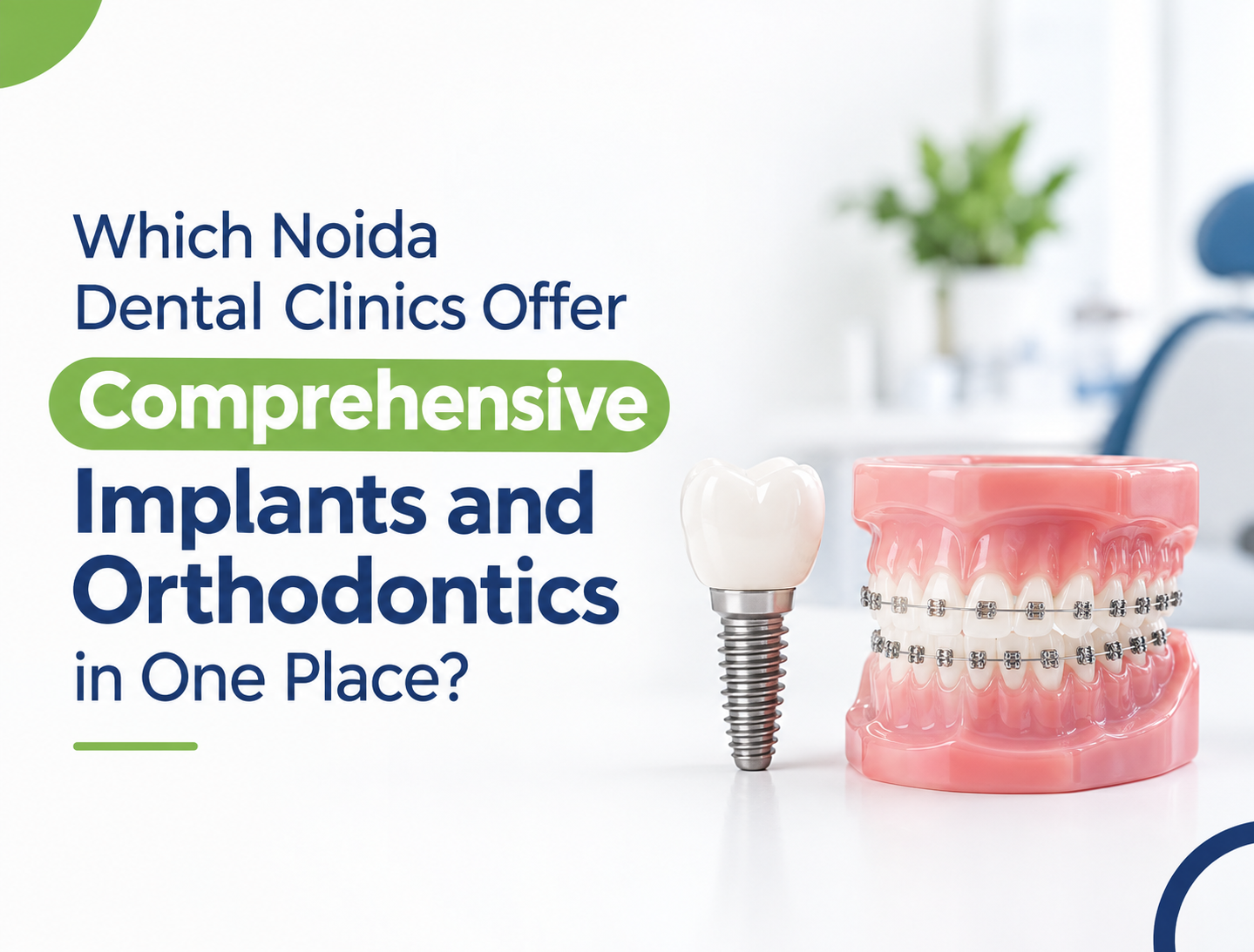
Which Noida Dental Clinics Offer Comprehensive Implants and Orthodontics in One Place?If you need a dental implant and also have concerns about crooked, crowded or misaligned teeth, visiting separate clinic...
BEST DENTIST IN NOIDA | Email: sunali.joshikashyap@gmail.com
The problem of a cracked tooth; the types, causes, symptoms and treatment. Advice is also given on how to reduce the chances of such a problem from developing in the first place.
What is a Cracked Tooth?
The problem of cracks in teeth and resultant pain is one that is becoming increasingly common. Cracks can form in a variety of ways and there are several possible causes. The problem may be obvious, for example when a piece breaks off, leaving a hole in the tooth. Alternatively it may be very hard to spot, as when a break forms but the tooth remains intact (like a line running down a pane of glass).
Some teeth will have fracture lines that are very difficult to find, and may lead to symptoms of cracked tooth syndrome's.
Teeth can develop different types of cracks:
Broken cusp: Where the pointy corner (or cusp) of a molar or premolar breaks away. A filling or crown will be needed.
Crazing: Here the outer enamel surface has very shallow crack(s), often called craze lines. These type are very common and often visible on front teeth (incisors and canines). They do not usually require treatment.
Cracked tooth: This implies that the crack runs from the top downwards towards the root. It can run in different directions. For example, a crack can run towards the gum or straight down the middle. Although fractured, the tooth is still holds together (until the fracture spreads further). It is this type that can cause the most tooth pain and difficulty in diagnosis (it won't show up on dental X-rays, for example).
If untreated the fracture line may grow until you have a split tooth, where the two parts separate from each other. Tooth extraction is usually the only option with such a split- it is beyond fixing.
Contributing Causes
There are many different factors that can lead to this dental problem. The causes are generally due to weakening of teeth structure and/or excessive forces placed upon them. Common causes include:
Note that developing this dental problem at some stage in your life means you are statistically more likely to have a similar problem in the future.
September 29, 2026
Which Noida Dental Clinics Offer Comprehensive Implants and Orthodontics in One Place?If you need a dental implant and also have concerns about crooked, crowded or misaligned teeth, visiting separate clinic...
September 7, 2026
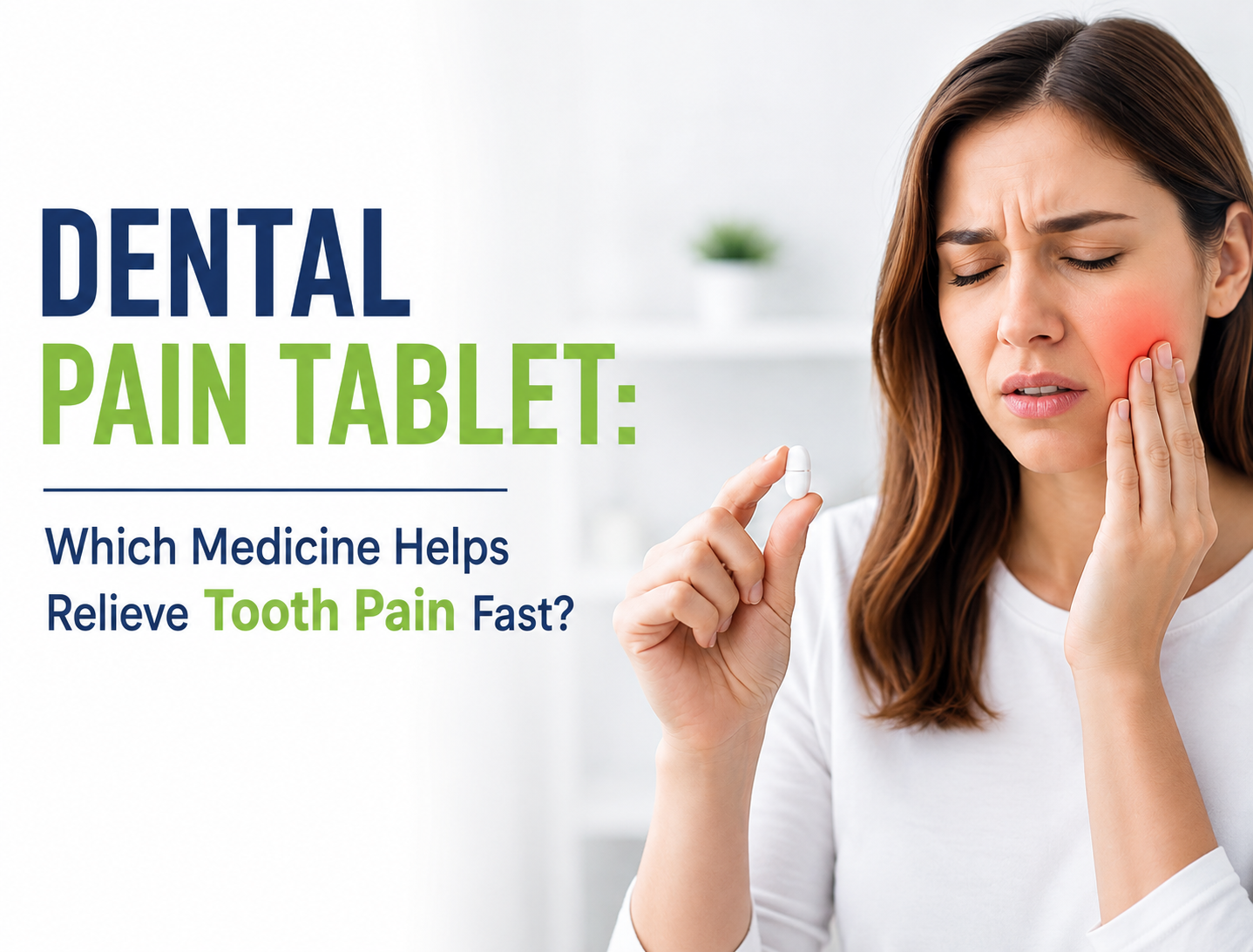
Dental Pain Tablet: Which Medicine Helps Relieve Tooth Pain Fast?When a toothache hits hard and you need relief before you can even get to a dental clinic near me, common over-the-count...
August 31, 2026
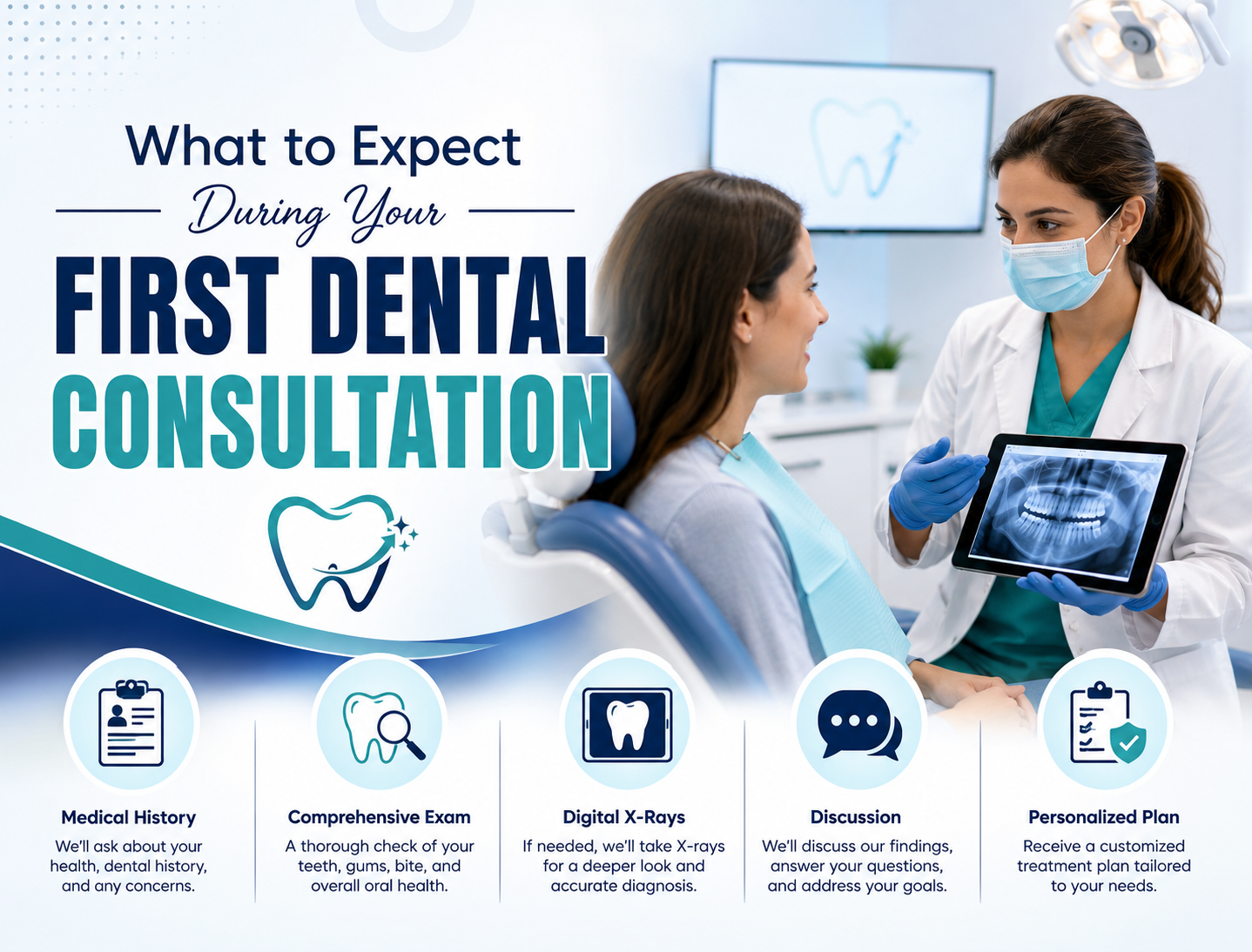
What to Expect During Your First Dental ConsultationA first dental consultation usually includes a review of your medical and dental history, a comprehensive oral exam, per...
August 20, 2026
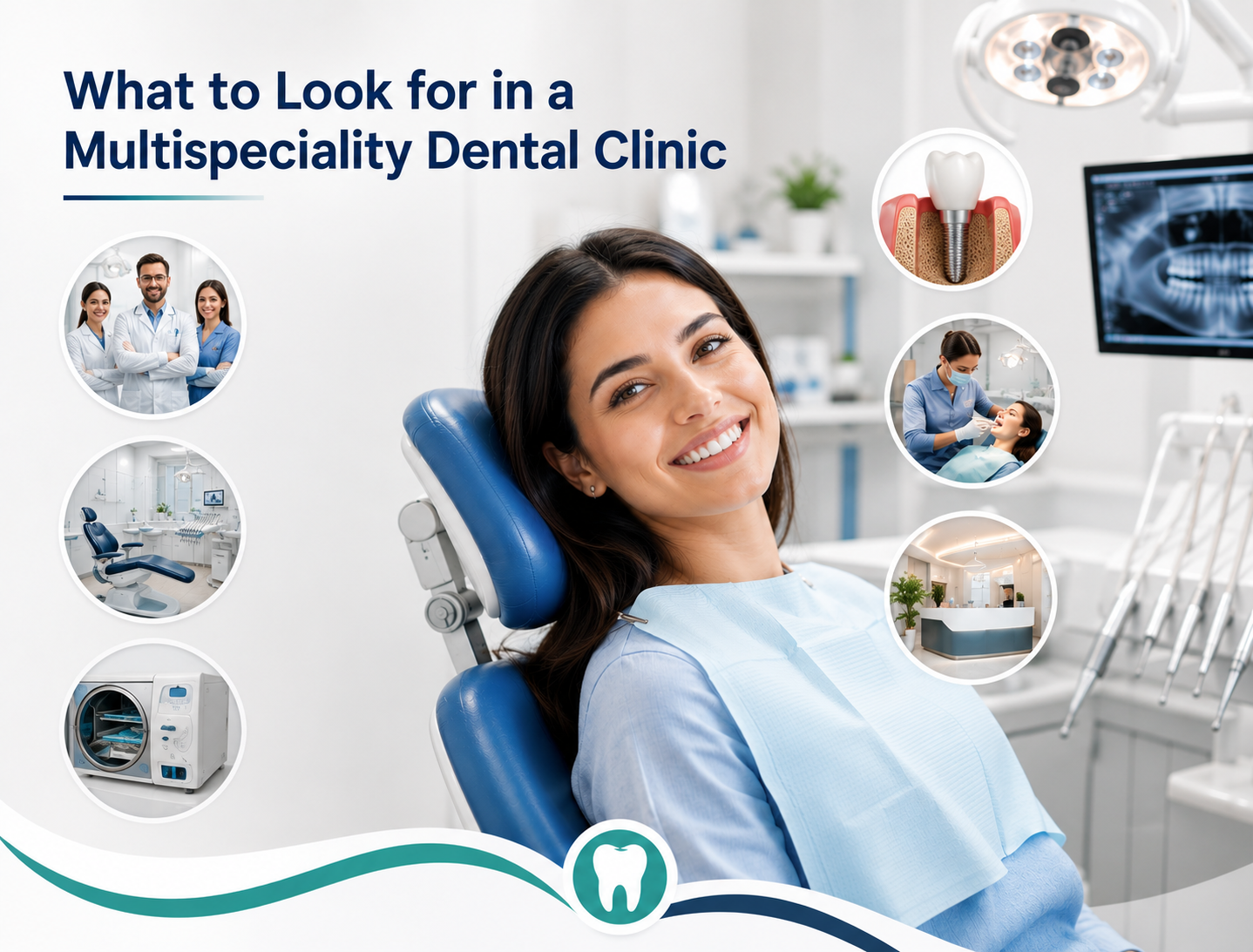
What to Look for in a Multispeciality Dental ClinicA good multispeciality dental clinic handles everything, cleanings, implants, root canals, cosmetic work, under one roof...
July 24, 2026
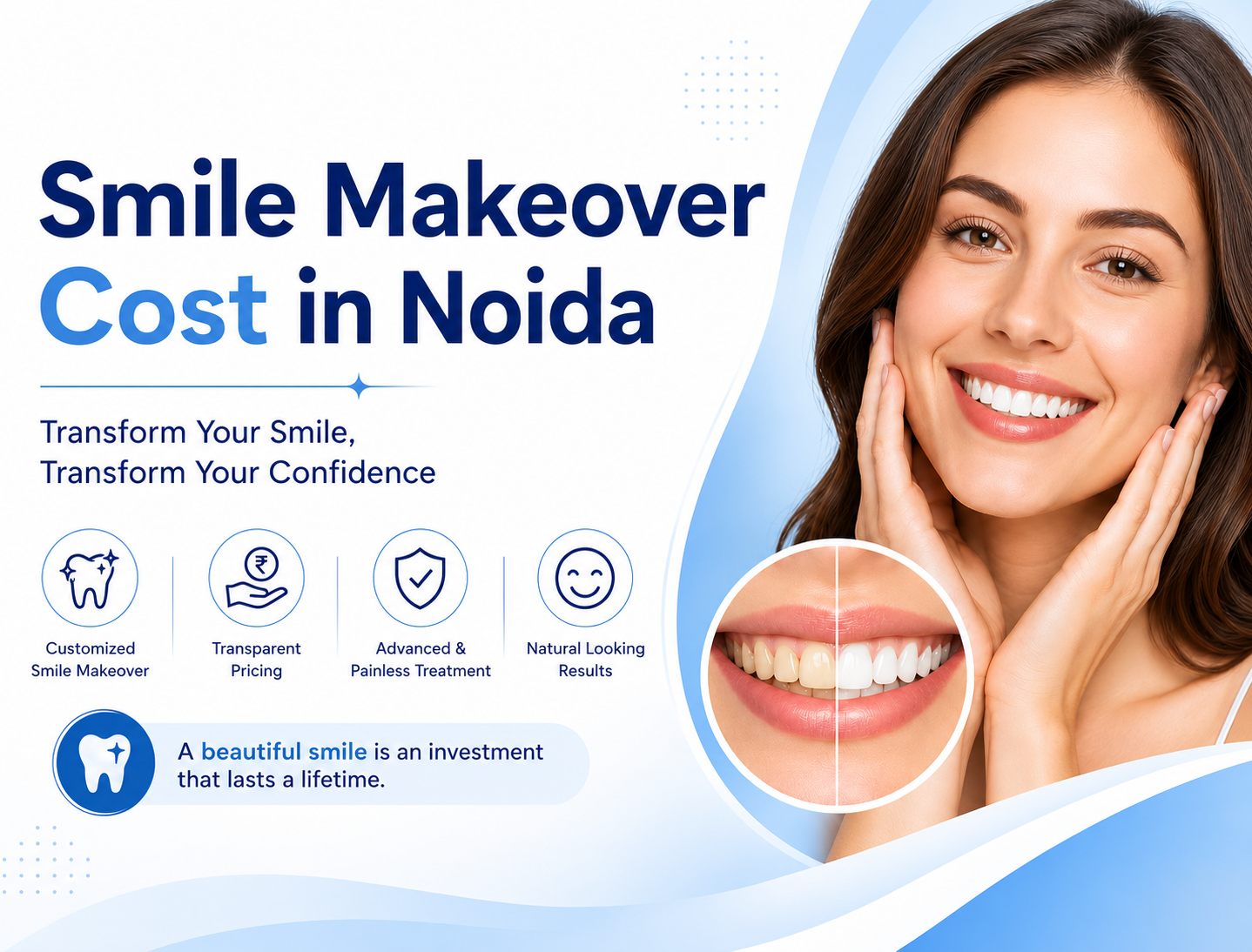
Smile Makeover Cost in Noida | Best Smile Makeover Clinic in Noida Sector 37Smile makeover cost in Noida usually ranges anywhere between a few thousand for basic teeth whitening to a lot more for ...
July 14, 2026
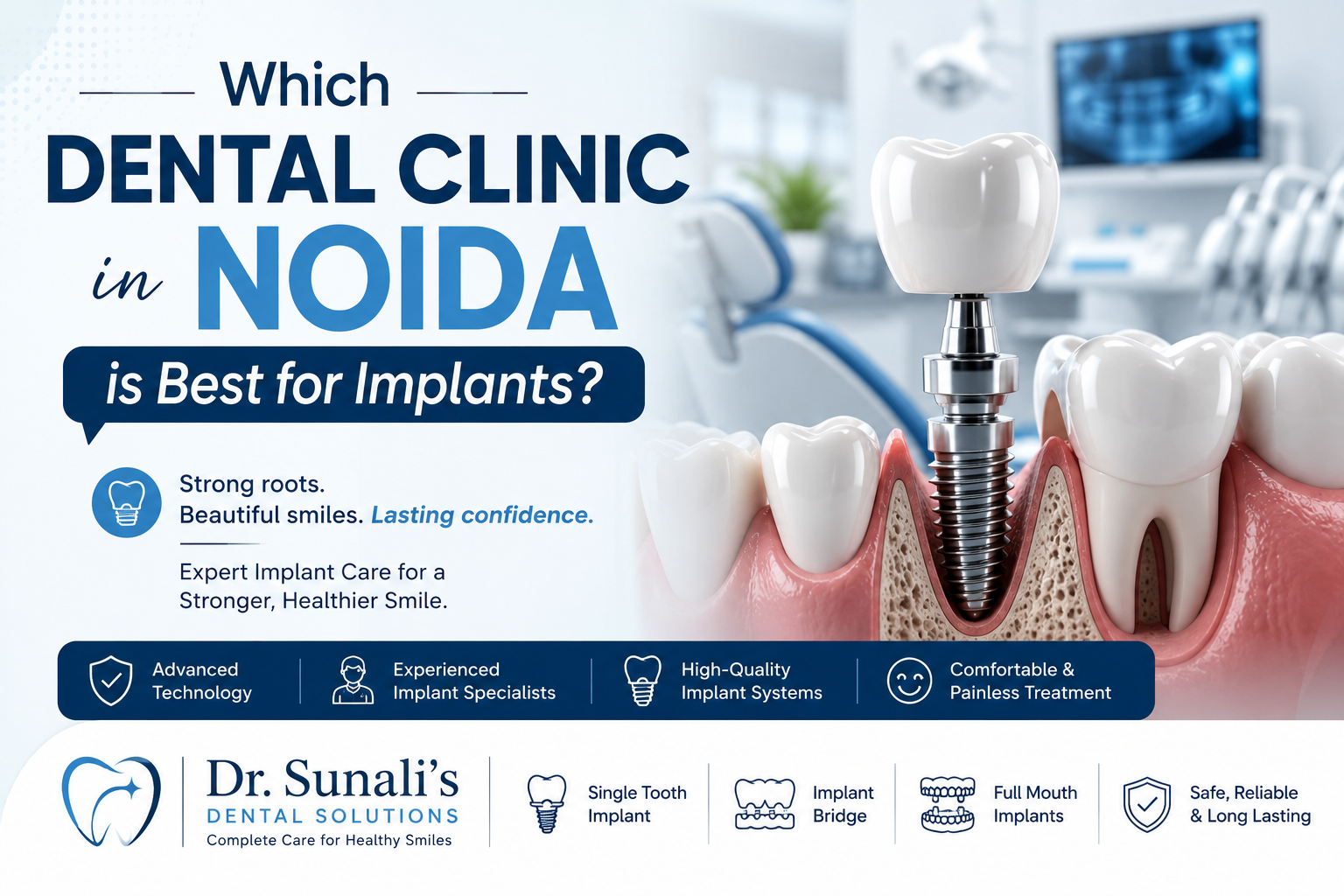
Which Dental Clinic in Noida is Best for Implants?The best implant clinic is the one with well-experienced implant specialists, high-tech instruments, sound diagnosis and...
Dr. Sunali along with her team of expert dentists and highly skilled staff members strive to ensure that all our patients are offered the best and the finest dental care with latest technologies.


401, Sector - 37, Shaheed Smarak Marg, Noida (UP ) 201301

